How to Choose Between One-to-One, One-to-Many, and Many-to-Many Relationships
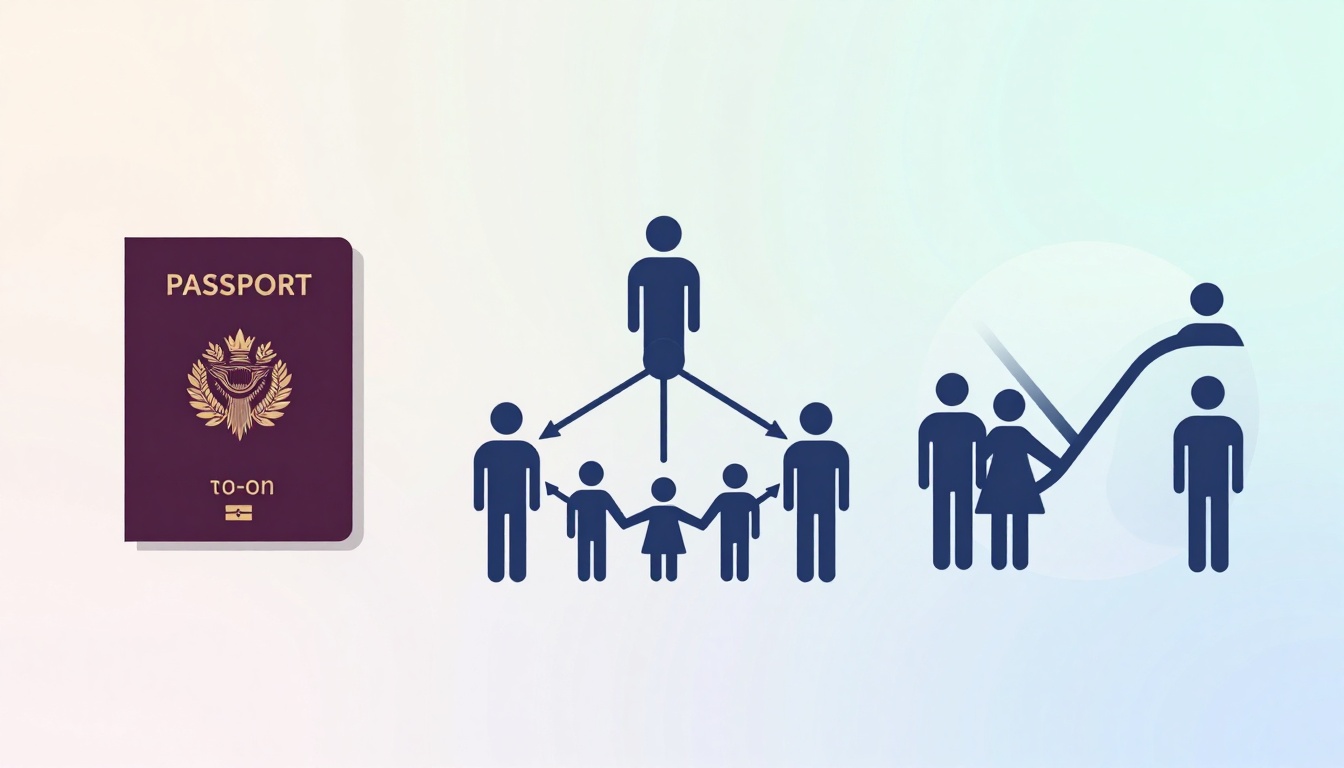
A startup built a hot e-commerce site last year. Sales boomed at first. Then queries slowed to a crawl. Customers left because pages loaded too slow. The problem? They picked the wrong database relationships. Data tangled up everywhere. Think of one-to-one like a person and their passport. Each has just one match. One-to-many works like … Read more


Beginner’s Guide to Database Normalization: Cut Redundancy, Keep Data Safe

Imagine running a small coffee shop. You track orders in a spreadsheet. Customer names, phones, and addresses repeat across rows. One day, a regular updates their phone number. You fix it in three spots but miss the fourth. Chaos follows: wrong calls, lost sales. Normalization fixes this mess. It organizes database tables to eliminate repeats … Read more

ACID Properties: The Science Behind Flawless Data Transactions

Imagine you’re sending $1,000 to a friend through your banking app. The money leaves your account smoothly. But then, nothing happens on their end. Chaos hits: you’ve lost the cash, they’ve got none, and customer service lines explode. This nightmare seems rare. Yet without proper safeguards, it happens more than you think. Databases power everything … Read more

MongoDB vs. Redis: How to Choose Document Store or Key-Value Pair

You’re knee-deep in building an app. Data needs to flow fast, but sometimes queries get complex. Pick the wrong storage, and everything slows down or crashes under load. MongoDB handles document stores with flexible structures like JSON. It fits apps with varied data. Redis powers key-value pairs for super-quick access. Think simple lookups at lightning … Read more

A Beginner’s Guide to Schema-less Design and Why It Offers Flexibility

Imagine you are a developer building an app for user reviews. Midway through, customers want to add photos and ratings. Your rigid database fights back. You spend days altering tables and fixing code. Frustrating, right? Schema-less design fixes that pain. It lets you store data without a fixed structure upfront. Think NoSQL databases like documents … Read more

CAP Theorem: Balancing Consistency, Availability, and Partition Tolerance

Imagine your e-commerce site humming along on Black Friday. Suddenly, a network glitch splits your databases. Customers see empty carts or old inventory, sales plummet, and chaos ensues. This nightmare stems from the CAP Theorem. Eric Brewer proposed it back in 2000. In distributed systems, you can only guarantee two out of three properties: consistency … Read more

How to Horizontally Scale and Shard High-Traffic Databases

Picture this: your app’s buzzing with users during Black Friday. Traffic spikes, but your database chokes. Users bounce, sales tank, and competitors swoop in. You need horizontal scaling databases to fight back. It means adding more servers, not beefing up one big machine. Then there’s sharding high-traffic setups: you split your data across those servers … Read more